The switch that does nothing
You open the house, turn the knob or press the remote, and nothing catches. Or it catches, flickers and quits. Or it lights with a tall orange flame that never looked like that before. These are the calls we get every fall from owners of second homes and from landlords readying a rental, and they all start the same way: the gas fireplace was turned off months ago and nobody touched it since.
A gas unit that sits idle collects things. Dust settles on the burner ports. Spiders like the warm, narrow tube the pilot burns in and spin webs across it. Moisture from a damp winter leaves a skin of corrosion on the small parts. The batteries in the remote or the receiver go flat. Sometimes the pilot assembly is just dirty. Sometimes a part has died.
The question for the owner is simple: do I book a cleaning or a repair? Here is how we tell, and what you get with each in La Mirada.
What a cleaning covers
Our gas fireplace cleaning is the visit for a unit that worked when it was shut down and has only been sitting. It covers:
- the burner and its ports brushed and blown out;
- the pilot hood and its tiny orifice cleared of webs and dust;
- the logs or media lifted out, cleaned and set back in the pattern the maker drew;
- the glass taken off, cleaned inside and out, and its seal looked at;
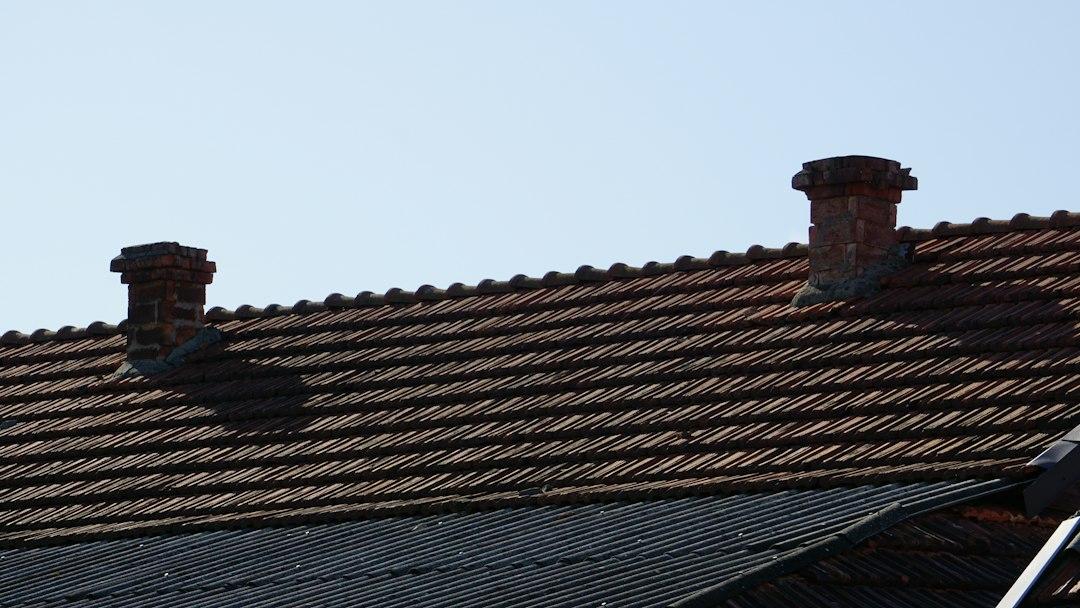
- the vent top checked from the roof for nests and blockage;
- a test fire at the end, with the flame watched until it settles.
For most units that were healthy in spring, this is all they need. The flame comes back blue at the base, the pilot holds, and you have a report saying so.
When it is a repair instead
Some faults do not clean away. A sensor that has stopped making enough current, a valve that sticks, an igniter that sparks weakly, a receiver board that has corroded: those are parts, and that is a gas fireplace repair. The signs that point that way before we arrive:
- the pilot lights but will not stay lit once you let the knob come back;
- you hear the igniter clicking but no flame ever forms;
- the unit worked fine last season with a remote and now does nothing even with new batteries;
- the flame lights, then the whole unit shuts off after a few minutes;
- there is a smell of gas at any point.
On the last one: do not light anything and do not flip switches. Walk out, leave the door open behind you, and report it to the gas company once you are outside. We come after they have cleared the line.
How the price is set
There is no fixed list price for gas cleaning or gas repair on our sheet, because the units vary too much. A small insert with a standing pilot is a different hour from a large see-through unit with a remote, a fan and an electronic board. What moves the figure:
- the make and model, and whether parts are still made for it;
- the type of ignition: standing pilot, battery, or wired electronic;
- whether glass comes off easily or is screwed into a sealed front;
- how the vent runs, and whether the top can be reached;
- for repairs, which part has failed and what it costs to source.
If you know the brand and roughly how old the unit is, put those in the form. We reply with whether it sounds like a cleaning or a repair visit, and the price for the visit before we come.
Why we start with a cleaning
On a seasonal house we almost always start with the cleaning, even when the owner suspects a repair. An idle unit that "will not light" is very often blocked by webs or dust rather than broken. Cleaning first means you pay for a part only if a part is really the problem. If the cleaning finds a dead part, the report names it, gives the price for the repair and you decide on the spot or later.
The vent matters as much as the burner
A gas fireplace is only as safe as the pipe carrying its exhaust out. On a direct-vent unit that pipe exits through a wall or the roof; on a gas insert it runs up a liner in the old masonry chimney. Either way, an empty house gives animals time to build in it. A blocked vent can push fumes back into the room. That is why every gas visit we make includes a look at the termination, and why we suggest a carbon monoxide alarm near any room with a fuel-burning fireplace.
Shutting it down properly
When you leave for the season, turn the unit fully off at its own valve rather than just switching off the flame, take the batteries out of the remote so they do not leak, and note the date. Tell us when we come back how you left it. It saves time and it saves you money.
Booking a gas visit
We work across La Mirada, Whittier, Santa Fe Springs and Cerritos. For a wood fireplace or a whole-house check instead, read what the first-of-season visit costs. Head to our contact page with the brand of the unit if you can see it on the plate, and we will plan the visit around the right parts.
Want It Checked Before the Next Stay?
Beale Chimney Pros looks over the flue, cap, damper and gas controls of houses that sat quiet, then emails the owner a photo report. Visits run from La Mirada to Whittier, Cerritos, Santa Fe Springs and beyond.