Who moves in while you are away
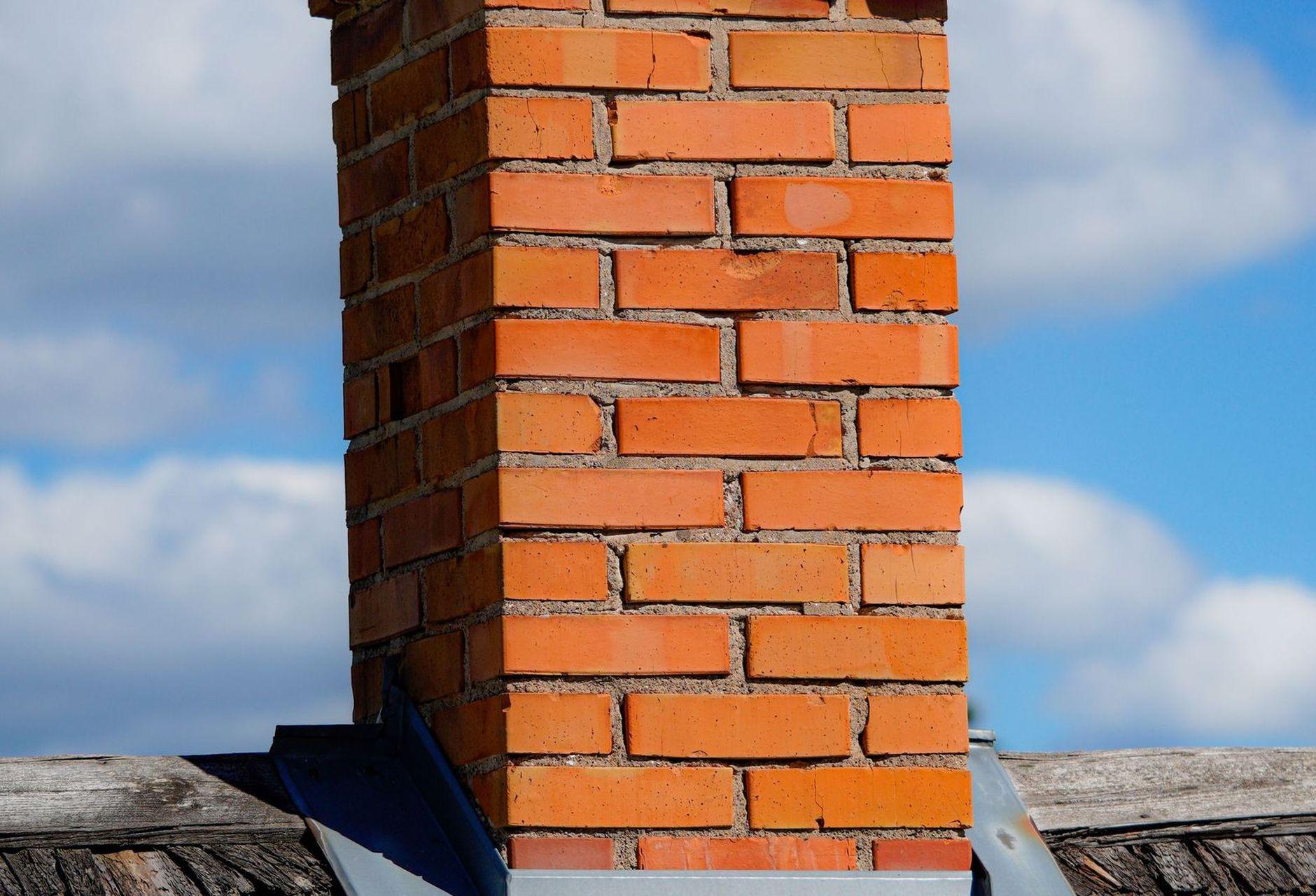
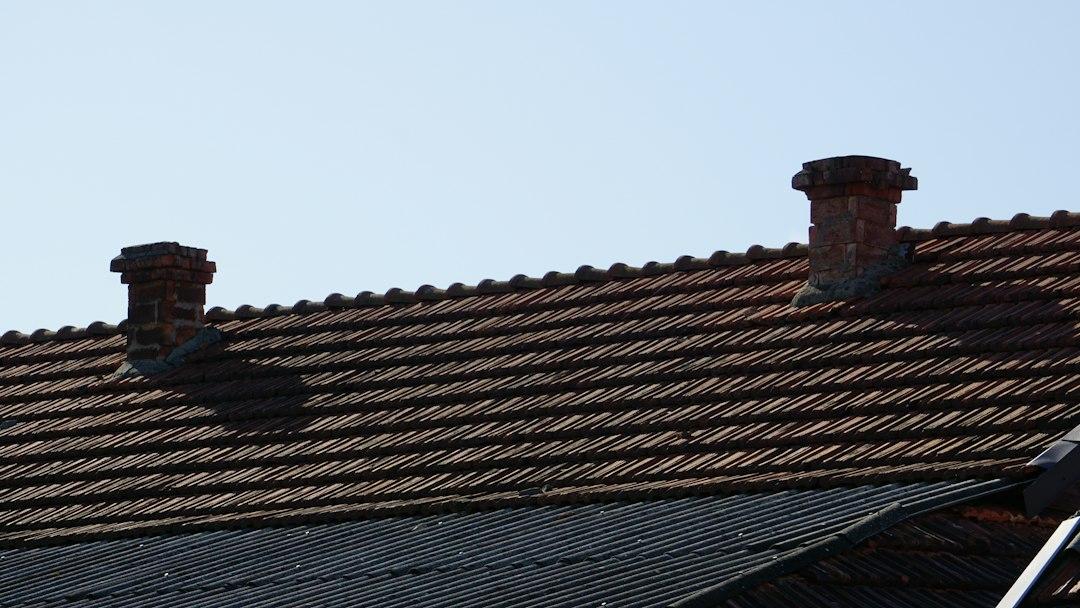
An occupied house scares wildlife off. Doors open, a dog barks, the fireplace gets lit now and then and the warm air rising up the shaft is enough to keep most animals looking elsewhere. Take all of that away for a summer and an uncovered chimney becomes the quietest, driest hollow on the block. In La Mirada we pull starling nests, pigeon nests, squirrel dens and the odd dead rat out of flues on houses that sat empty for a season. We also find the leaves, twigs and grit that the wind drops straight in.
A cap stops nearly all of it. It is the cheapest single fix on a house that is not lived in all year, and it is the item that most often turns up missing on our opening-visit reports.
What sets the price of a cap
An installed chimney cap is quoted on site. Price turns on flue size, metal and the crown. Caps differ because chimneys differ, and "a cap" covers very different pieces of metal:
- A single round or square clay flue on a one-storey house, standard size, galvanized or stainless top: the simplest job.
- A taller stack, a steep or tile roof, or a flue shape that needs a slightly unusual fit: costs more.
- A wide brick chimney carrying two or three flues under one cover, or a custom top made to the outer size of the crown: costs the most.
- Copper, or a top built to match a decorative stack: also costs the most.
Most single-flue houses we cap in the city are the simplest job. The written quote names the exact figure before any metal is ordered.
What sets your cap price
Four things set the price, and we check each on the first visit:
- How many flues the chimney carries, and whether one cap can cover them all.
- The outer size and shape of the flue tile, or of the crown if a full-width top makes more sense.
- The metal. Stainless is our usual pick for a house that is left alone for months, because nobody is there to notice a cap rusting through.
- The roof. Pitch, height and the kind of roofing decide how long the install takes.
If you know whether the chimney has one flue or more, and what the roof is made of, put that in the form and we come back with a time to measure.
Clearing the flue before the cap goes on
A cap fitted over a nest seals the problem in. So the install starts by looking down the flue and, if anything is living or rotting in there, getting it out first. Live birds are a different matter from an old nest: some species are protected while they are nesting, so if we find an active nest we tell you what we see and plan the removal for when it is legal and the birds have gone. Debris that comes out goes in a bag and leaves with us.
Where the flue is dirty enough to need brushing, the sweep is its own line on the quote, from $435. Where it is clean, there is no sweep charge.
Metal, mesh and fit
Three details separate a cap that lasts from one you replace in a few years.
The metal. Galvanized steel is cheaper and fine on a house where someone will notice the first rust stain. Stainless costs more and shrugs off months of winter rain with nobody around to spot the first streak of rust. Copper is mostly about looks.
The mesh. The sides of the cap carry a woven screen. It has to be tight enough to stop birds and sparks and open enough that soot does not choke it. A mesh that clogs makes the fire draw badly, which is a fault we see on caps bought off a shelf.
The fit. A cap that slips over the flue tile is held by screws that bite the tile. One that sits on the crown is fastened to the masonry. On a metal chimney built at a factory, the top has to be the maker's own part or one approved for that model; we do not fit a generic cap to it.
The house with a gas fireplace
Owners of gas units sometimes skip the cap because no sparks come out. Animals do not care what the fireplace burns. A nest in a gas vent can block exhaust just as surely as one in a wood flue, and the owner of a seasonal house is the last to find out. Every gas vent we check gets the same look at its top.
What you get in writing
After the measuring visit you receive a short quote: the cap, the metal, the fixing method, whether a sweep or nest removal is part of the job, and the total. If we saw anything else on the roof, a cracked crown or loose flashing, it is listed below the cap as a separate item so you can choose. Nothing is bundled into the cap price without your say.
When to book
Fall is when most owners call, because that is when the house gets opened up. Spring is smarter for a second home: cap it as you leave and the empty months are the ones it protects. For the full first-of-season visit and its costs, see our post on the check before the first fire, or go straight to the cap installation page.
Our contact page is the way in. Say whether you have spotted birds around the chimney top, and we will plan the visit with a nest in mind.
Want It Checked Before the Next Stay?
Beale Chimney Pros looks over the flue, cap, damper and gas controls of houses that sat quiet, then emails the owner a photo report. Visits run from La Mirada to Whittier, Cerritos, Santa Fe Springs and beyond.